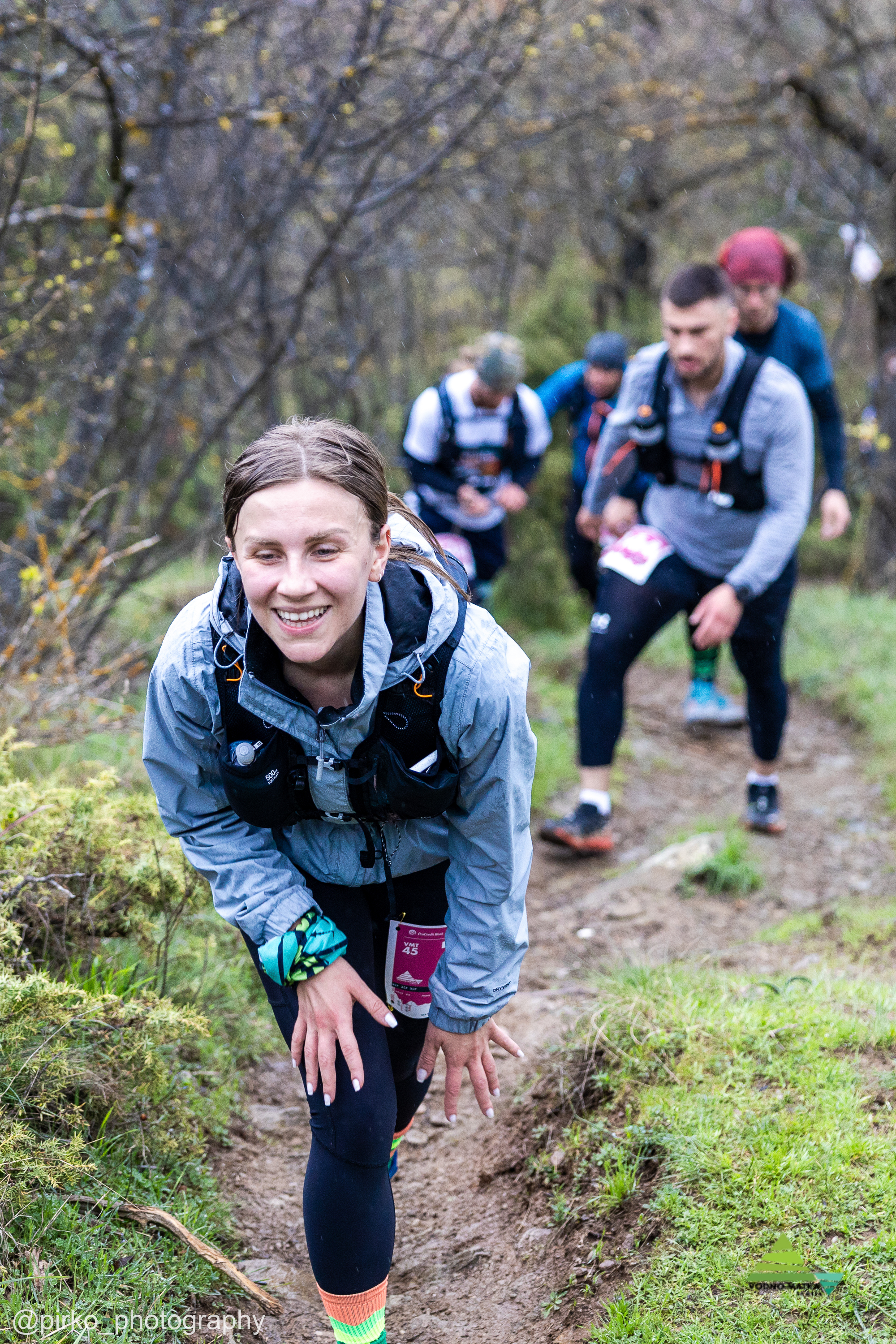
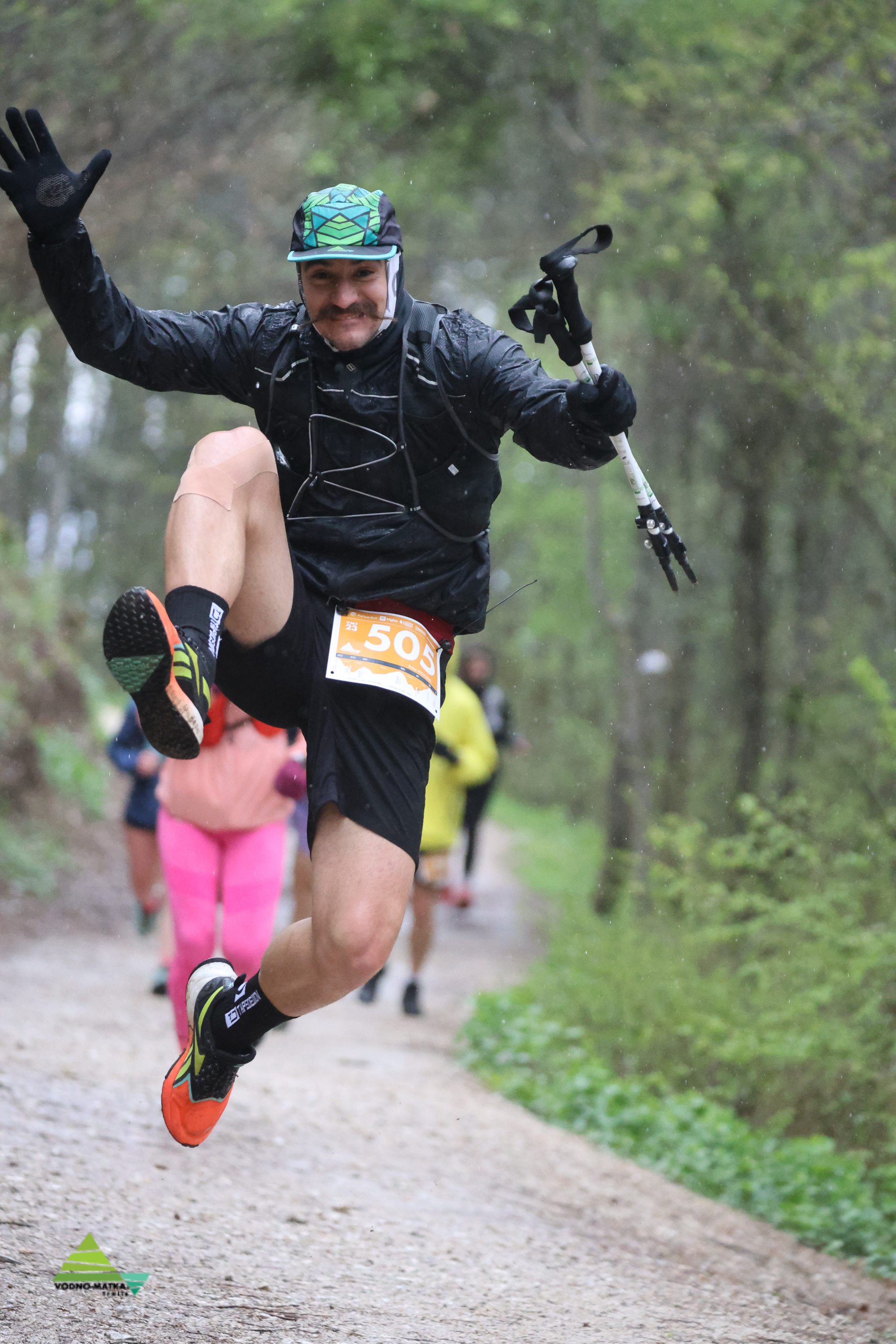
This guide will help you lay the groundwork, train smarter, and feel more confident on the trail — every kilometer, every climb, and every step.
Note/Disclaimer: This text was generated using AI. The organizer is not responsible for the application of the advice. For an individual approach, it is best to hire a professional trainer or nutritionist.
TRAINING FUNDAMENTALS
This short guide covers the basics that every runner should know before standing at the starting line.
Key principles
Trail running is not just a sport — it’s an experience that combines nature, endurance, and mental strength. Whether you’re preparing for your first 18km adventure, targeting 30km as your next step, or entering the world of ultra challenges with 50km, the key is in proper training, smart strategy, and proper nutrition.
Consistency over intensity – 3–5 workouts per week are enough for most recreational athletes.
Combine uphill + downhill – trail running requires adaptation to different terrain.
Include strength training – at least 2 times a week (legs, abs, stabilization).
Long training once a week – the most important session for trail runners.
Practice with the equipment you will wear to the race – especially your shoes, belt/backpack, and food.
Training structure
According to race distance
SPRINT TRAIL 18K
Focus: speed + base stamina
Key: • One longer workout of 60–90 min. • Intervals 1× per week (fast sprints uphill or flat). • Training on technical terrain for better stability.
Goal: to maintain a strong pace and conquer hills without burning out.
CLASSIC TRAIL 30K
Focus: endurance + movement economy
Key: • Long workout 1:45–2:30 hrs. • Fartlek or tempo training 1× per week. • Combination of brisk walking/running on hills. • Strength training 2× per week.
Goal: a stable rhythm, without sudden drops in energy.
ULTRA TRAIL 50K
Focus: long endurance + strategy
Key: • Long workouts 2:30–4:00 hrs. • Occasional back-to-back workouts (two long weekend days). • Training-tested eating and drinking plan. • Greater emphasis on strength (core + glutes).
Goal: finishing with stable energy and without injuries.
Nutrition
Proper nutrition is just as important as training. Bad choices = no energy, cramps, decreased performance.
BEFORE TRAINING / RACE
Eat 2–3 hours before: • rice/pasta + chicken or • toast + peanut butter or • ripe banana + yogurt Avoid high-fiber and heavy foods.
DURING TRAINING / RACE
Amounts depend on distance: • 18K / 60–90 min → 1–2 gels + water • 30K / 2–4 h → 2–4 gels/bars + electrolytes • 50K / 5+ h → 4–8 gels/bars + salty snacks + electrolytes Target: 30–60 g carbs per hour (18K and 30K), 60–90 g/hour (Ultra 50K).
AFTER TRAINING / RACE
In the first 30–60 minutes, consume: • protein (20–30 g) • carbohydrates • electrolytes Examples: chocolate milk, protein shake, yogurt with fruit.
PRACTICAL ADVICE
Regardless of the distance, trail running success comes from a combination of regular training, proper nutrition, good equipment, and smart strategy. The more you practice in race-like conditions, the better prepared you'll be on race day.
HYDRATION AND ELECTROLYTES
The most common problems in trail running are dehydration, cramps, and excessive drinking of water without salts.
Drink 400–700 ml/hour according to pace and temperature.
Don't just drink water — use salt and electrolytes.
For longer distances, he uses a combination: water + isotonic.
TEST YOUR EQUIPMENT BEFORE THE RACE
Trail shoes with a good sole
Waist belt or hydration pack
Water bottle/bidon
Food that you tolerate well
Socks that don't cause blisters
Light jacket (depending on conditions)
MENTAL ASPECT AND STRATEGY
Avoid a fast start — 95% of recreational athletes burn out too soon.